
National Forklift Safety Day – June 9th: Practical Strategies to Build Forklift Safety Culture in Your Warehouse
Key Takeaways
- National Forklift Safety Day (June 9th) highlights critical warehouse safety protocols
- OSHA requires comprehensive training and 3-year recertification for all operators
- Tip-overs, pedestrian collisions, and falling loads are the most common accidents
- Preventative maintenance and daily inspections reduce incident rates by 40%+
- Building lasting safety culture requires ongoing training, clear protocols, and equipment upkeep
Intro
National Forklift Safety Day, observed each year on June 9, serves as an important reminder in the material handling industry to focus on protecting the men and women who operate forklifts every day.
At Black Equipment, we know these operators face demanding conditions in warehouses, distribution centers, and manufacturing facilities where speed and precision are essential.
As warehouse and distribution center operations become increasingly complex, forklift safety and forklift operator safety are more critical than ever. Forklift safety goes far beyond basic compliance. It is a leadership responsibility that builds a strong safety culture across your entire operation.
OSHA continues to emphasize powered industrial truck safety because incidents still occur too often. This article offers practical guidance on reducing risks, supporting your operators, and creating safer environments through better training, equipment choices, and ongoing partnership.
The Persistent Importance of Forklift Safety in Warehouse Operations
Forklifts remain a cornerstone of warehouse, manufacturing, port, and yard operations across the country. They move heavy loads quickly, but they also introduce real hazards every shift.
Common risks include close pedestrian interaction in busy aisles, reduced visibility around loads or racks, uneven surface conditions, and operator fatigue from long hours. Recent industry data shows forklift-related incidents continue to cause thousands of injuries and dozens of fatalities annually, with many cases linked to tip-overs, struck-by events, or collisions.
At Black Equipment, we view safety as an operational necessity rather than a checkbox exercise. The human cost is clear, and the business impact, from downtime and medical expenses to lost productivity, affects your bottom line directly.
A strong commitment to forklift operator safety protects your team and keeps your facility running smoothly.
How Warehouse Leaders Can Prioritize Forklift Operator Protection
Employers carry primary responsibility for creating safe conditions for forklift operators. This starts with proper training, regular supervision, and consistent enforcement of safe practices.
OSHA regulations under 1910.178 require formal operator training, practical evaluation, and certification before anyone operates a powered industrial truck.
Employers must also conduct refresher training and evaluations at least every three years or after an incident. Beyond training, facility layout, traffic controls, designated pedestrian walkways, and scheduled maintenance all play critical roles.
When leadership demonstrates clear commitment through visible support and resources, it builds a forklift safety culture that reduces risk significantly. Safety performance is a direct reflection of management priorities.
At Black Equipment, we work with operations and logistics leaders who understand that investing in these areas leads to fewer incidents, higher operator confidence, and stronger overall results in their warehouses and distribution centers.
Creating Effective Safety Through Combined Training, Matched Equipment, and Smart Environments
Training alone cannot deliver the results you need without the right equipment and well-designed work environment. The most effective forklift safety programs align all three elements.
Choosing properly matched forklifts for your specific application makes a measurable difference. For example, Yale ERC series electric forklifts or Hyster high-capacity pneumatic tire models offer stability, visibility features, and ergonomic operator stations that reduce fatigue and improve control.
Look for models with advanced systems like Yale Reliant operator assist or Hyster Dynamic Stability System, which automatically adjust performance to prevent tip-overs and enhance visibility.
Preventive maintenance programs keep brakes, steering, and hydraulics in top condition for predictable operation.
At Black Equipment, we help customers review their fleets to ensure every truck fits the job, the facility layout supports safe traffic flow, and operator comfort features are prioritized. When these systems work together, forklift operator safety improves and daily operations become more reliable.
The Support Authorized Hyster and Yale Dealers Provide for Forklift Safety Culture
Authorized Hyster and Yale dealers serve as experienced safety partners rather than simple equipment suppliers. At Black Equipment, we conduct thorough application reviews and fleet assessments and Premier Fleet services to recommend the right trucks and configurations for your warehouse or logistics needs.
Our team provides OSHA-aware operator training support, helps with certification documentation, and shares best practices for daily inspections and safe operation. We also supply advanced safety technologies such as Yale® Vision™ and Hyster® Tracker™ telemetry systems that deliver real-time data on impacts, operator behavior, and maintenance needs.
Yale® Vision™ and Hyster® Tracker™ support the key forklift operator safety features you can explore in our 8 Forklift Operator Safety Features You Need to Know – GUIDE while helping your compliance efforts and identifying small issues before they become larger risks.
Unlike one-time vendors, we build long-term relationships focused on your success. Whether you need help updating your fleet, implementing operator assist systems, or scheduling refresher training, our role is to help you reduce risk proactively and maintain a strong forklift safety culture year after year.
Using National Forklift Safety Day to Drive Meaningful Safety Improvements
June 9 offers the perfect opportunity to pause, reflect, and take concrete steps forward.
Use National Forklift Safety Day to review your current safety program and identify any gaps in training, equipment condition, or facility layout.
Gather your leadership team, operators, and safety coordinators to discuss real experiences and practical solutions.
Small changes, such as adding better lighting, updating traffic signage, or scheduling a fleet safety audit, can create immediate improvements.
At Black Equipment, we encourage customers to treat this day as a catalyst for action rather than just an annual reminder. Engage your team with hands-on demonstrations or a quick review of daily inspection procedures. These focused efforts reinforce forklift operator safety and show your operators that their well-being matters every day, not just on one designated date.
Developing a Long-Term Forklift Safety Approach That Lasts Beyond One Day
True forklift safety culture requires year-round commitment instead of a single-day focus. Plan ahead for workforce changes, new equipment additions, and business growth by building documentation processes, scheduling regular refresher training, and conducting ongoing evaluations.
Partnering with an authorized dealer like Black Equipment helps you stay ahead of these needs through consistent support and access to the latest safety technologies.
Our Premier Fleet services provide the data and maintenance scheduling tools that keep your operation compliant and efficient.
Safety is an evolving process that improves with steady attention and the right resources.
Next Steps to Strengthen Forklift Safety Culture
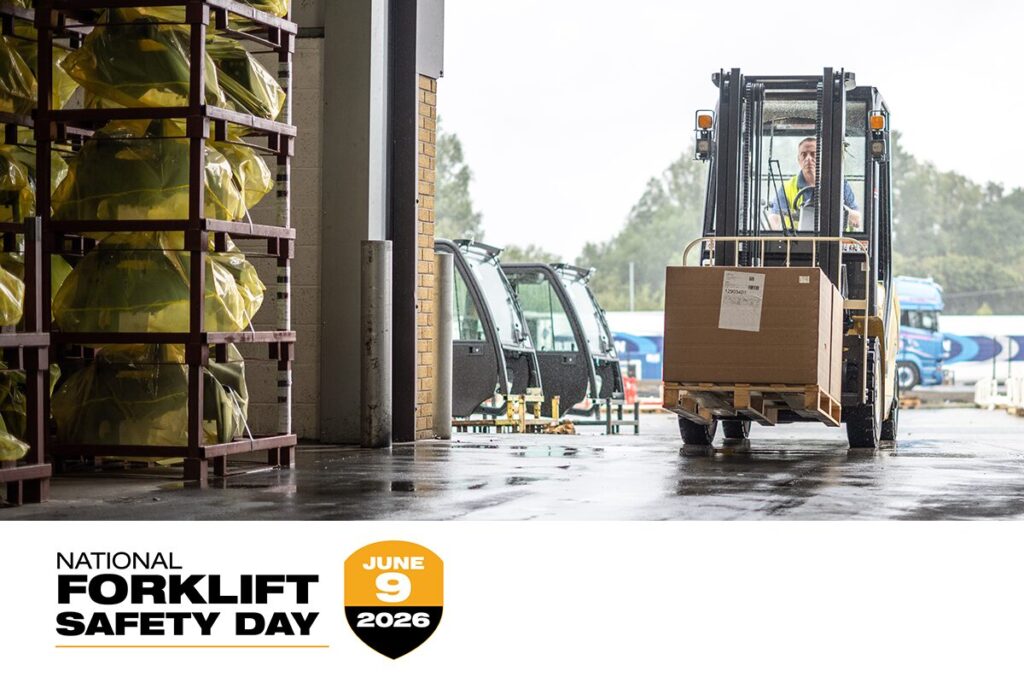
National Forklift Safety Day highlights the importance of risk awareness, strong employer leadership, and smart partnerships in protecting forklift operators. In the fast-paced warehouse and logistics environments you manage every day, these efforts make a real difference in safety outcomes and operational reliability.
At Black Equipment, we believe safety culture starts with leadership and is sustained through practical action and expert support. We invite you to reach out to our team for a no-obligation fleet assessment, training consultation, or equipment review tailored to your operation.
CONTACT US for a complimentary site assessment. Or, VISIT or CALL our team to learn more about how Yale and Black Equipment can help you.
Together, we can build a safer, more productive future for your team and your facility.
OR
Click for your local branch